
What is Juvenile idiopathic arthritis (JIA)?
Juvenile idiopathic arthritis (JIA) is the most common form of arthritis in children under 16 years old123. The current number of children diagnosed with juvenile arthritis is comparable to the number of children diagnose with type 1 diabetes each year. It causes joint inflammation, swelling, stiffness, and pain, which can affect a child's ability to move and function normally13.
There are several types of JIA:
Oligoarticular JIA: Affects 1-4 joints in the first 6 months12.
Polyarticular JIA: Affects 5 or more joints in the first 6 months123.
Systemic JIA: Affects joints and causes fever, rash, and potential organ involvement123.
Enthesitis-related JIA: Involves arthritis and inflammation where tendons attach to bones13.
Psoriatic JIA: Arthritis accompanied by psoriasis or related symptoms13.
The exact cause of JIA is unknown, but it is believed to be an autoimmune disorder where the immune system mistakenly attacks the joints34.Some research indicates that it may be considered an auto inflammatory disease, however this seems to pertain to systemic JIA only. Genetic factors and environmental triggers may play a role4.
Symptoms of JIA can include:
Joint pain, swelling, and stiffness
Fatigue
Fever (in systemic JIA)
Rash
Eye inflammation (uveitis)
JIA Test
There is no specific test for JIA. A diagnosis involves a physical examination, blood tests, imaging studies4.
JIA Treatment
Treatment aims to control inflammation, relieve pain, and prevent joint damage34. It is not considered a cure. Standard treatment includes:
Medications such as NSAIDs, DMARDs, and biologics
Physical therapy
Regular exercise
With proper treatment, many children with JIA can achieve periods of remission and lead active lives34. However, some may require ongoing management into adulthood5. Most children do not reach long term unmedicated remission through standard treatment alone.
Supplements:
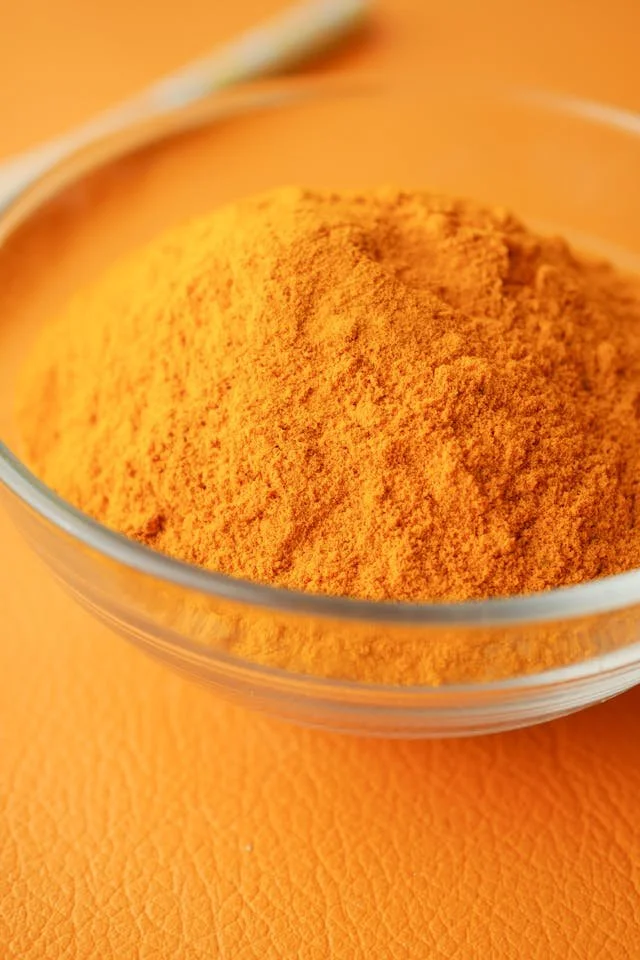
Curcumin, a compound found in turmeric, has shown promising potential in the treatment of juvenile idiopathic arthritis. Research indicates that curcumin may offer anti-inflammatory and immunomodulatory effects that could benefit patients with JIA. Several studies have shown positive outcomes for children using cucurmin in conjunction with traditional treatment.
L-glutamine, an amino acid that plays a crucial role in maintaining gut health and modulating immune responses. Its potential benefits for individuals with JIA are primarily linked to its ability to support the intestinal lining and reduce inflammation.
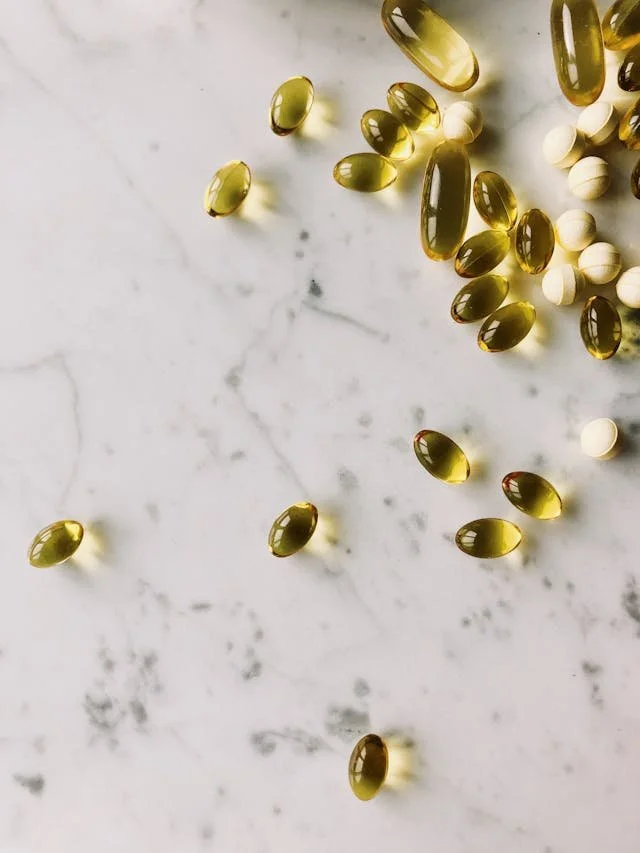
Fish oil: Research indicates that omega-3 fatty acids, found in fish oil, may be beneficial for juvenile idiopathic arthritis (JIA) by reducing inflammation and improving clinical symptoms. A study involving 27 JIA patients showed significant improvements in joint activity, reduced inflammatory markers like TNF-α and IL-1, and decreased NSAID usage after 12 weeks of omega-3 supplementation. Omega-3s, particularly EPA and DHA, are known to reduce inflammation, which can alleviate symptoms of arthritis. Further research is needed to determine the proper dosage and usage for optimal benefits.
Vitamin D: Research indicates a significant link between vitamin D deficiency and juvenile idiopathic arthritis (JIA). Studies show that up to 82% of JIA patients have insufficient vitamin D levels, which are associated with increased disease activity and inflammation. Vitamin D plays an immunomodulatory role, potentially reducing pro-inflammatory mediators and altering immune cell function. Despite the prevalence of deficiency, current supplementation practices often fail to meet the needs of children with JIA. Further research is needed to establish standardized vitamin D supplementation protocols for this population. However, it is very easy to test vitamin D levels. Once levels are established, supplementation with d3 is and safe way to help support any child’s immune system.
When my daughter was first diagnosed, I was completely overwhelmed by all of this information. The potential complications from JIA were very scary, and the options seemed very limited. I can help you navigate the intricacies of these treatment options and decide which supplements might help in your child’s individual situation.

Looking for expert guidance on managing your child’s juvenile arthritis naturally?
I offer personalized support to help families reduce inflammation, improve well-being, and restore hope. Let’s connect and start creating a plan tailored to your child.